Free shipping on all orders
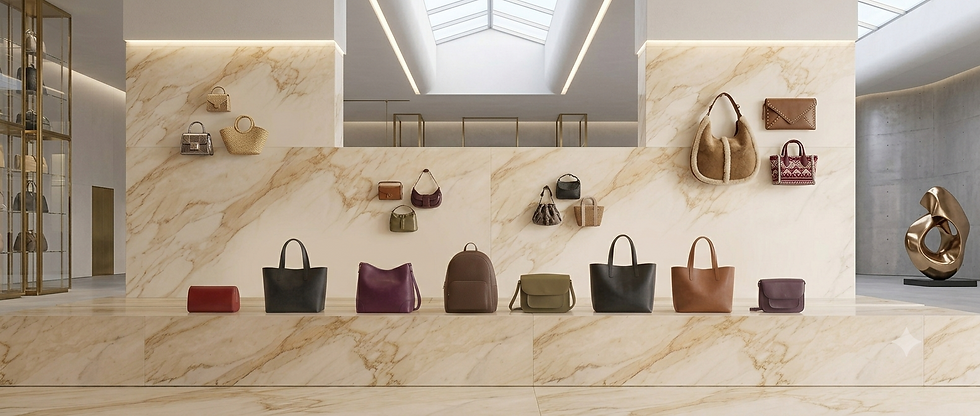
Main Character Energy, Zero Guilt: Why Reused Mushroom Leather is the Ultimate Upgrade to Heritage Luxury?

Let’s be honest: the era of flexing a heavy, environment-draining designer bag just because it has a century-old logo on it is officially over.
For decades, fashion icons like Louis Vuitton, Gucci, and Coach held the monopoly on what "luxury" looked like. If you wanted something high-end, you were expected to drop thousands on calfskin or settle for entry-level luxury made of poly-plastics masked as "vegan leather."
Enter Morél: the bio-luxury house creating a whole new category for the generation that refuses to choose between high-fashion aesthetics and planetary care. Handcrafted from reused mushroom leather (mycelium), Morél is proof that the future of luxury isn't grown on a factory farm—it’s grown, upcycled, and styled for the modern, conscious wardrobe.
The Fashion Dilemma: Heritage Leather vs. Plastic Fauxs vs. Morél
If you’re building a capsule wardrobe, investing in your first designer piece, or looking for that "quiet luxury" staple that actually stands for something, here is how the traditional players stack up against the next generation of style.
Traditional Luxury (LV / Gucci) ---> High Carbon Footprint, Livestock Dependent
Plastic "Vegan" (Coach PU Lines) ---> Fossil Fuels, Microplastics, Prone to Peeling
Morél Reused Mycelium Leather ---> Circular, Bio-Based, Earth-First & High Fashion
1. Traditional Heritage Hides (Louis Vuitton, Gucci, Hermès)
We respect the history, but the environmental receipt is hard to ignore. Cattle farming for traditional leather is a primary driver of global deforestation, requires massive land and water resources, and relies on harsh chemical tanneries. Even heritage houses like Hermès have experimented with biotech mycelium (like their Sylvania Victoria bag concept) because they know where the industry is heading. Paying thousands for a traditional hide shouldn't cost the earth.
2. Petroleum-Based "Vegan" Alternatives (Coach & Contemporary Brands)
When entry-level luxury brands offer cruelty-free lines, they often rely on synthetic alternatives like Polyurethane (PU) or Polyvinyl Chloride (PVC). The catch? They’re essentially fancy plastics derived from fossil fuels that take hundreds of years to break down, shed microplastics, and inevitably peel after a few seasons of heavy rotation. It’s cheap to produce, but it isn't true sustainable luxury.
3. The Morél Standard: Reused Mycelium Luxury
Morél takes mycelium, the infinitely renewable root network of mushrooms—and upcycles organic agricultural by-products to grow a dense, ultra-durable, bio-based hide.
* The Tactile Flex: It delivers that rich, buttery grain, natural warmth, and flexibility of top-tier leather without touching an animal.
* Ultra-Low Impact: Requires up to 90% less water and land than traditional animal leather and generates a fraction of the carbon emissions.
* Circular & Plastic-Free: Zero petroleum base, zero toxic run-off, and designed to fit seamless, low-waste circularity.
The Breakdown: How Morél Outsmarts the Market
Why Gen Z and Millennial Fashion Lovers are Switching to Bio-Luxury
Fashion in 2026 isn't just about what you wear, it’s an extension of your values. The "clean girl" aesthetic, the rise of thrift-culture luxury, and the demand for radical supply chain transparency have transformed how we shop.
Buying a Morél piece means carrying something that sparks conversation every time you set it on the table at brunch. It’s for the trendsetter who appreciates high design, demands non-toxic materials, and wants their investment pieces to reflect a modern, eco-conscious lifestyle.
Key Terms to Know in the Bio-Fashion Revolution
To help you navigate the next generation of eco-chic shopping, here are the terms redefining the industry:
* Mycelium Leather: The underground root network of fungi, cultivated in lab-controlled organic environments to create a natural, hide-like texture.
* Circular Fashion: A system where materials are reused, regenerated, and upcycled indefinitely, leaving zero footprint behind.
* Cruelty-Free Haute Couture: High-end, bespoke fashion created without animal exploitation or toxic chemical tanneries.
* Bio-Based Luxury: Accessories crafted from organic, natural matter rather than petroleum-based plastics like PU or PVC.
The shift is clear: real prestige isn't about traditional status symbols anymore—it's about holding the future in your hands.

